Why Is Thigh Fat So Hard to Lose for Women?
You may have noticed that excess fat around the thighs can be particularly stubborn. For many women, this area is a common trouble spot, resistant to diet and exercise.

Fat distribution varies among individuals, and genetics play a significant role in where the body stores fat. Hormonal influences also impact fat storage, making it challenging to lose weight in certain areas.
Understanding the challenges associated with thigh fat is crucial to developing effective strategies for reduction.
Key Takeaways
- Thigh fat is a common issue for many women.
- Genetics and hormones influence fat distribution.
- Losing weight in specific areas can be challenging.
- Effective strategies are available to help reduce thigh fat.
- A combination of diet, exercise, and lifestyle changes can help.
The Science Behind Female Fat Distribution
The distribution of fat in women’s bodies, particularly in the thighs, is influenced by a complex interplay of hormonal and genetic factors. This unique distribution pattern is largely driven by the sex hormones, particularly estrogen, which plays a crucial role in determining where fat is stored.
Estrogen’s Role in Lower Body Fat Storage
Estrogen significantly influences fat distribution in women. “Estrogen promotes the storage of fat in the lower body, particularly in the thighs and hips, as part of a normal physiological process,” explains a study on female fat distribution. This is because estrogen receptors are more prevalent in these areas.
How Female Hormones Target the Thighs
Female hormones, especially estrogen, target the thighs by promoting the accumulation of fat cells in this region. This results in a higher concentration of fat cells in the thighs, making it a challenging area for fat loss.
Differences Between Male and Female Fat Storage
Men and women store fat differently due to variations in hormone levels and receptor distribution. While men tend to store fat around their abdomens, women typically store it in their thighs and hips. This difference is largely due to the effect of estrogen on fat distribution.
Alpha vs. Beta Fat Receptors in Women’s Thighs
Fat cells in women’s thighs contain different types of receptors that influence fat storage and release. Understanding the role of these receptors is crucial to grasping why thigh fat is so stubborn.
Why Beta Receptors Make Fat Loss Difficult
Beta receptors, particularly beta-3 receptors, are known to be less responsive to lipolysis (fat breakdown). As a result, areas with a high concentration of beta-3 receptors, like the thighs, are more resistant to fat loss.

Understanding these biological factors is key to addressing the challenge of thigh fat in women. By recognizing the role of estrogen and the characteristics of fat receptors in the thighs, women can better approach their fitness and nutrition strategies to tackle this stubborn fat.
Why Is Thigh Fat Hard to Lose for Women? The Biological Explanation
Understanding why thigh fat is so stubborn in women requires delving into the biological and evolutionary factors at play. Thigh fat is not just a cosmetic issue; it’s a complex problem influenced by various physiological processes.

Evolutionary Purposes of Female Thigh Fat
From an evolutionary perspective, fat storage in the thighs and hips served a crucial purpose. It was a reserve of energy for pregnancy and lactation, ensuring the survival of both mother and child.
Reproductive Benefits of Lower Body Fat
Lower body fat, particularly in the thighs, has been linked to reproductive health. Studies have shown that a certain amount of body fat is necessary for regular menstrual cycles and fertility. This fat acts as a signal to the body that there is enough energy to support a pregnancy.
“The distribution of body fat is not random; it’s a highly regulated process influenced by genetics, hormones, and evolutionary pressures.”
Stubborn Fat Cells vs. Regular Fat Cells
Not all fat cells are created equal. Stubborn fat cells in the thighs have different characteristics compared to regular fat cells, making them more resistant to breakdown.
Cellular Differences That Impact Fat Mobilization
The fat cells in the thighs are more lipophilic, meaning they have a higher affinity for storing fat. Additionally, these cells have a lower rate of lipolysis (fat breakdown) due to their lower concentration of beta-adrenergic receptors, which are crucial for fat mobilization.
Understanding these biological and cellular differences is key to developing effective strategies for reducing thigh fat. By acknowledging the unique characteristics of stubborn fat cells, women can better approach their fitness and nutrition plans to achieve their goals.
Hormonal Factors That Make Thigh Fat Persistent
Understanding the hormonal factors that contribute to thigh fat is crucial for developing effective weight loss strategies. Hormonal imbalances can significantly impact fat distribution and metabolism, making it challenging to lose weight in certain areas.
Estrogen and Progesterone Balance
The balance between estrogen and progesterone plays a critical role in fat storage. Estrogen tends to promote fat storage in the lower body, including the thighs. Fluctuations in estrogen levels during the menstrual cycle can lead to increased fat storage.
Menstrual Cycle Effects on Fat Storage
During the menstrual cycle, changes in hormone levels can affect fat storage and metabolism. Understanding these changes can help you better manage weight loss efforts.
How Insulin Affects Lower Body Fat Storage
Insulin resistance is another key factor in fat storage, particularly in the lower body. High insulin levels can lead to increased fat storage around the thighs. Managing blood sugar levels is crucial for fat loss.
Blood Sugar Management for Fat Loss
Effective blood sugar management involves dietary changes and lifestyle adjustments to improve insulin sensitivity. This can help reduce fat storage in stubborn areas.
Cortisol’s Impact on Stubborn Fat Areas
Cortisol, often referred to as the stress hormone, can also contribute to fat storage around the thighs. Chronic stress leads to elevated cortisol levels, which can hinder weight loss efforts.
Genetic Predisposition to Thigh Fat in Women
For many women, the struggle with thigh fat is not just about diet and exercise, but also about genetic predisposition. Research suggests that genetic factors can significantly influence body shape and fat distribution patterns.
Body Types and Fat Distribution Patterns
Understanding your body type is crucial in identifying how your body stores fat. Generally, women tend to store fat in their lower body, particularly in the thighs, due to their genetic makeup.
Identifying Your Natural Body Shape
You can determine your body shape by measuring your waist, hips, and bust. A pear-shaped body, characterized by wider hips and thighs, is common among women who store fat in their lower body.
How Your Family History Influences Your Thigh Fat
Your family history plays a significant role in determining your genetic predisposition to thigh fat. If your parents or grandparents had a similar body shape, you might be more likely to store fat in your thighs.
Working With Your Genetic Blueprint
“You can’t change your genetics, but you can work with your genetic blueprint.” This means adopting a lifestyle that includes a balanced diet and regular exercise tailored to your body type.
By understanding and working with your genetic predisposition, you can develop effective strategies to manage thigh fat.
Common Myths About Spot Reduction and Thigh Fat
Spot reduction, or the idea of losing fat in a specific area, is a myth that has misled many women seeking to reduce thigh fat. This concept has led to the proliferation of various products and exercise routines claiming to target thigh fat specifically.
Why Thigh-Specific Exercises Alone Won’t Work
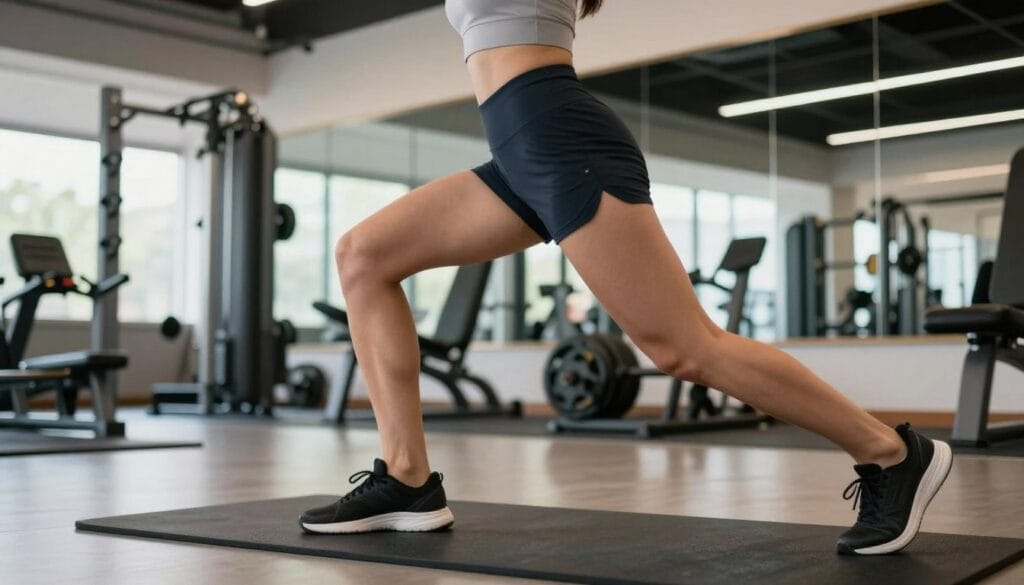
Thigh-specific exercises, such as squats and lunges, are often touted as effective ways to reduce thigh fat. However, these exercises primarily build muscle underneath the fat, rather than burning the fat itself.
The Science Behind Fat Loss Mechanisms
Fat loss occurs systemically, meaning that the body decides where to burn fat from, not the specific exercises you perform. When you exercise, you increase your overall energy expenditure, which can lead to fat loss across your body, not just in the area you’re exercising.
The Truth About “Fat-Burning” Creams and Supplements
“Fat-burning” creams and supplements are another myth-busting area. Many of these products make unsubstantiated claims about their ability to burn fat or reduce the appearance of cellulite.
Evidence-Based Approaches vs. Marketing Claims
Unlike these gimmicks, evidence-based approaches like a balanced diet and regular exercise have been proven to be effective in reducing body fat. The table below compares some common myths with evidence-based approaches.
| Myth | Reality |
|---|---|
| Spot reduction exercises can target thigh fat | Fat loss is systemic; exercises tone muscles but don’t directly burn fat |
| “Fat-burning” creams and supplements are effective | Most are unproven; real fat loss comes from diet and exercise |
By understanding the truth behind these myths, you can adopt a more effective strategy for reducing thigh fat.
Effective Exercise Strategies to Target Thigh Fat
To effectively reduce thigh fat, it’s crucial to incorporate a combination of exercise strategies that target multiple muscle groups. This approach not only helps in burning calories but also in building muscle mass, which is essential for long-term fat loss.
Compound Movements That Engage Multiple Muscle Groups
Compound movements are exercises that work multiple joints and muscle groups simultaneously. These exercises are highly effective for burning calories and building strength. Squats, lunges, and deadlifts are examples of compound movements that engage the muscles in your thighs.
Squats, Lunges, and Deadlifts: Proper Form and Variations
To get the most out of these exercises, proper form is essential. For squats, keep your back straight and lower your body until your thighs are parallel to the ground. Lunges require stepping out with one foot and lowering your body until your back knee almost touches the ground. Deadlifts involve lifting a weight from the ground to hip level, keeping your back straight throughout the movement.
As noted by fitness expert Jane Doe, “Compound exercises like squats and deadlifts are game-changers for fat loss because they recruit multiple muscle groups at once.”
“The key to successful fat loss is not just about the number of exercises you do, but the quality and intensity of those exercises.”
| Exercise | Primary Muscle Groups | Secondary Muscle Groups |
|---|---|---|
| Squats | Quadriceps, Hamstrings, Glutes | Core, Lower Back |
| Lunges | Quadriceps, Hamstrings, Glutes | Core, Calves |
| Deadlifts | Hamstrings, Glutes, Lower Back | Core, Quadriceps |
The Role of HIIT in Mobilizing Stubborn Fat
High-Intensity Interval Training (HIIT) involves short bursts of intense exercise followed by brief periods of rest. This type of training is highly effective for burning fat, including stubborn thigh fat. HIIT workouts can be tailored to target the lower body, making them an excellent addition to your exercise routine.
Sample HIIT Workouts for Lower Body Fat Loss
A sample HIIT workout for lower body fat loss could include 30 seconds of burpees followed by 30 seconds of rest, repeated for 15-20 minutes. Another example is sprint intervals on a treadmill or outdoors, where you sprint for 30 seconds and then walk for 1-2 minutes, repeating the cycle.
Strength Training for Long-Term Metabolic Benefits
Strength training is crucial for building muscle mass, which in turn boosts your resting metabolic rate (RMR). A higher RMR means your body burns more calories at rest, aiding in long-term fat loss. Progressive overload, or gradually increasing the weight or resistance you’re lifting, is key to continuing to challenge your muscles and promote growth.
Progressive Overload Principles for Women
To apply progressive overload, start by identifying your current lifting capacity. Gradually increase the weight or resistance you’re using over time. For example, if you’re doing squats with 50 pounds, try increasing to 55 pounds after a few weeks. This progressive increase in load stimulates muscle growth and strength gains.
Nutrition Approaches That Help Combat Thigh Fat
When it comes to reducing thigh fat, your dietary choices are just as important as your exercise routine. A well-balanced diet can help you achieve your goals more effectively.
Anti-Inflammatory Foods That Reduce Fat Storage
Consuming anti-inflammatory foods can play a significant role in reducing thigh fat. These foods help minimize inflammation in the body, which is often associated with increased fat storage.
- Fatty Fish: Rich in omega-3 fatty acids, fatty fish like salmon and sardines are potent anti-inflammatories.
- Leafy Greens: Spinach, kale, and other leafy greens are rich in antioxidants and other nutrients that combat inflammation.
- Berries: Berries such as blueberries and raspberries are packed with antioxidants that help reduce inflammation.
Creating a Sustainable Anti-Inflammatory Meal Plan
To create a sustainable anti-inflammatory meal plan, focus on incorporating a variety of whole foods into your diet. Aim to include a rainbow of colors on your plate to ensure you’re getting a broad range of nutrients.
- Start your day with a breakfast rich in fruits and whole grains.
- Incorporate lean proteins and healthy fats into your meals.
- Limit your intake of processed foods and sugars.
Protein Intake and Its Effect on Body Composition
Protein intake is crucial for maintaining and building muscle mass, which in turn can help reduce thigh fat. A higher protein diet can also support satiety and boost metabolism.
- Lean Meats: Chicken, turkey, and lean cuts of beef are excellent sources of protein.
- Plant-Based Proteins: Beans, lentils, and tofu are great options for those following a plant-based diet.
Optimal Protein Sources and Timing
Distributing your protein intake throughout the day can help maximize its benefits. Aim to include a source of protein in every meal.
Strategic Carbohydrate Timing for Fat Loss
Strategic carbohydrate timing can help optimize fat loss, including in the thigh area. Adjusting your carb intake based on your activity level can support your goals.
- Pre-Workout Carbs: Consuming carbs before a workout can provide energy and improve performance.
- Post-Workout Carbs: After a workout, carbs can help replenish glycogen stores and support recovery.
Carb Cycling for Hormonal Balance
Carb cycling involves alternating your carbohydrate intake to support fat loss and hormonal balance. This strategy can help keep your metabolism guessing and prevent plateaus.
“Carb cycling can be an effective strategy for fat loss, as it allows for periods of higher carbohydrate intake to support workouts and recovery, while also incorporating lower-carb periods to enhance fat burning.”
Lifestyle Changes That Support Thigh Fat Reduction
Losing thigh fat isn’t just about exercise; it involves making comprehensive lifestyle adjustments. To effectively reduce thigh fat, you need to adopt a combination of healthy habits that promote overall fat loss and improve your body composition.
Sleep Quality and Its Connection to Fat Loss
Quality sleep plays a crucial role in fat loss, including thigh fat. Poor sleep can disrupt hormones that regulate hunger and fullness, leading to increased fat storage.
Creating an Optimal Sleep Environment
To improve sleep quality, create a sleep-conducive environment by ensuring your bedroom is dark, quiet, and cool. Invest in a comfortable mattress and pillows to enhance your sleep experience.
Stress Management Techniques for Hormonal Balance
Chronic stress can lead to hormonal imbalances that promote fat storage around the thighs. Effective stress management techniques, such as meditation and deep breathing, can help mitigate this effect.
Practical Daily Stress-Reduction Practices
Incorporate stress-reduction practices into your daily routine, such as taking short breaks to stretch or practicing mindfulness during meals.
Daily Habits That Promote Overall Fat Loss
In addition to sleep and stress management, daily habits like increasing Non-Exercise Activity Thermogenesis (NEAT) can significantly impact fat loss. NEAT includes activities like walking, gardening, or doing household chores.
- Take the stairs instead of the elevator
- Walk to work or school if possible
- Engage in household chores or gardening
Measuring Progress Beyond the Scale
As you embark on your journey to reduce thigh fat, it’s crucial to measure progress beyond the numbers on the scale. While weight loss is a significant indicator, it’s not the only metric that matters.
Body Measurements and Progress Photos
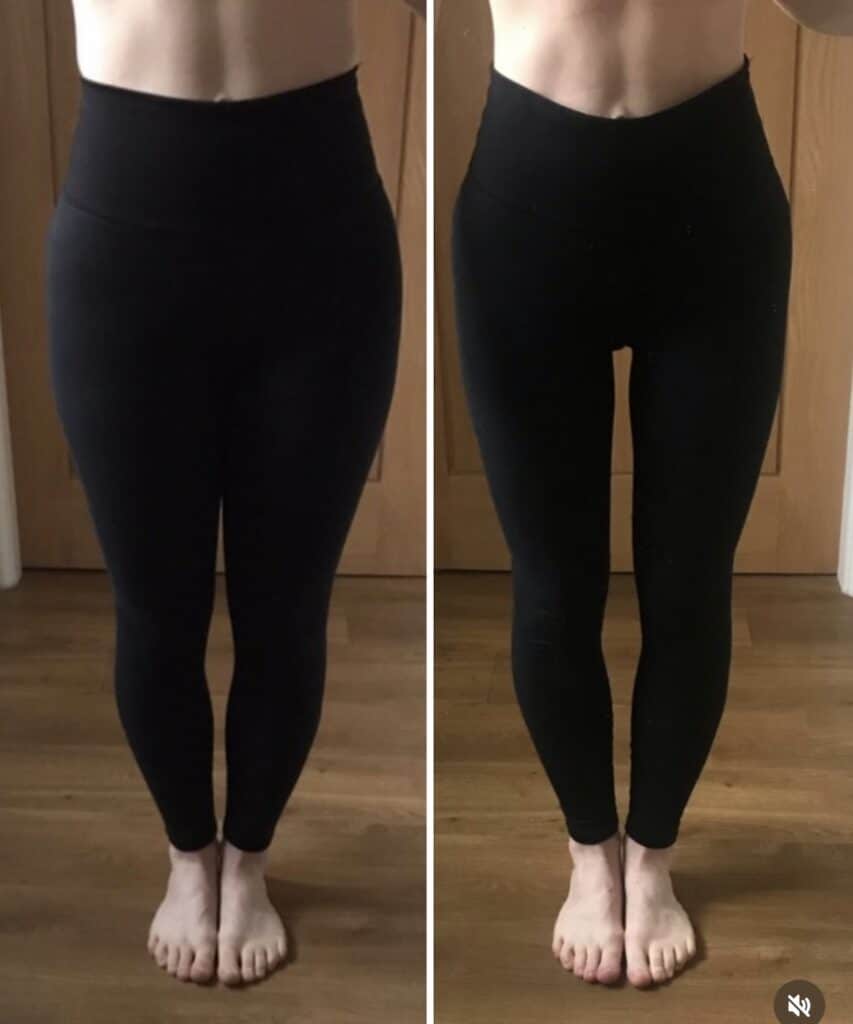
Tracking your body measurements is a more accurate way to monitor fat loss. Take your measurements regularly, focusing on areas like your thighs, hips, and waist. Additionally, progress photos can provide a visual representation of your transformation.
How to Track Changes Accurately
To track changes accurately, take measurements at the same time every week, and use the same scale and measuring tape. For progress photos, maintain consistent lighting and poses.
| Measurement | Initial | Week 4 | Week 8 |
|---|---|---|---|
| Thigh Circumference | 22 inches | 21 inches | 20 inches |
| Hip Circumference | 38 inches | 37 inches | 36 inches |
Performance Metrics That Indicate Fat Loss
Performance metrics, such as strength and endurance improvements, are also crucial indicators of fat loss. As you lose fat, you may notice increased stamina and better overall performance in your workouts.
Strength and Endurance Improvements
Monitoring your workout performance can help you stay motivated. Track the weights you lift, the number of repetitions, and your overall endurance.
Clothing Fit and Body Composition Analysis
Another effective way to measure progress is by paying attention to how your clothes fit. As you lose fat, your clothes should become looser. Consider getting a body composition analysis to understand your fat-to-muscle ratio.
When to Consider Professional Help for Stubborn Thigh Fat
For many women, thigh fat proves particularly resistant to diet and exercise alone, suggesting the need for expert guidance. While a healthy lifestyle is crucial, some individuals may require additional support to achieve their goals.
Working with a Nutritionist or Dietitian
A nutritionist or dietitian can provide personalized dietary advice tailored to your specific needs. They can help you identify and address any nutritional deficiencies or imbalances that may be hindering your weight loss efforts.
Finding the Right Expert for Your Needs
When selecting a nutritionist or dietitian, look for credentials such as RD (Registered Dietitian) or CNS (Certified Nutrition Specialist). Consider their experience in helping clients with similar goals and challenges.
Personal Trainers and Exercise Specialists
Personal trainers can design a customized exercise program to target stubborn thigh fat. They can help you improve your overall fitness and ensure you’re using proper form to maximize results.
What to Look for in a Qualified Trainer
When choosing a personal trainer, consider their certifications (e.g., ACE or NASM), experience with clients who have similar goals, and their approach to exercise programming.
Medical Interventions: When Are They Appropriate?
In some cases, medical interventions may be necessary to address stubborn thigh fat. This can include non-surgical treatments like CoolSculpting or surgical options such as liposuction.
Non-Surgical and Surgical Options
Non-surgical treatments can help reduce fat in targeted areas without the need for surgery. Surgical options, on the other hand, can provide more dramatic results but involve higher risks and recovery times.
| Professional Help Option | Benefits | Considerations |
|---|---|---|
| Nutritionist/Dietitian | Personalized dietary advice, nutritional balance | Credentials, experience |
| Personal Trainer | Customized exercise program, proper form | Certifications, experience |
| Medical Interventions | Targeted fat reduction, surgical or non-surgical | Risks, recovery time, cost |
Seeking professional help can be a significant step towards achieving your goals. By understanding your options and choosing the right professional guidance, you can develop a more effective strategy for tackling stubborn thigh fat.
Success Stories: Women Who Conquered Stubborn Thigh Fat
Many women have successfully overcome the challenge of stubborn thigh fat, achieving their fitness goals through determination and the right strategies. These success stories serve as inspiration and provide valuable insights into effective approaches for reducing thigh fat.
Common Patterns in Successful Approaches
Upon examining the success stories, several common patterns emerge. Women who successfully reduced their thigh fat often combined targeted exercises with healthy nutrition plans and made significant lifestyle changes.
- Incorporating strength training exercises to build muscle mass
- Engaging in regular cardio activities to burn fat
- Eating a balanced diet rich in proteins, healthy fats, and complex carbohydrates
Key Habits of Women Who Succeeded
Successful women often developed key habits that contributed to their achievements. These habits include:
- Consistency in their workout routines
- Mindful eating practices
- Adequate hydration and sleep
Lessons Learned from Real-Life Transformations
The journeys of these women offer valuable lessons. One of the most significant takeaways is the importance of patience and persistence. Reducing thigh fat is not an overnight process; it requires long-term commitment.
Avoiding Common Pitfalls and Setbacks
Many women also shared insights on how they overcame common challenges. Strategies included:
| Challenge | Strategy |
|---|---|
| Plateaus | Changing workout routines, incorporating new exercises |
| Cravings | Planning meals, keeping healthy snacks on hand |
| Motivation | Tracking progress, finding a workout buddy |
By learning from these success stories, you can develop your own effective strategy for reducing thigh fat. Remember, every individual’s journey is unique, and what works for one person may not work for another. It’s essential to find a balanced approach that suits your lifestyle and preferences.
Conclusion: Embracing a Holistic Approach to Thigh Fat Loss
Losing thigh fat can be a challenging and frustrating experience for many women. However, by adopting a holistic approach that combines effective exercise strategies, nutrition approaches, and lifestyle changes, you can achieve your goals and improve overall health.
A comprehensive strategy that includes compound movements, HIIT, and strength training can help mobilize stubborn fat. Pairing this with anti-inflammatory foods, strategic carbohydrate timing, and adequate protein intake can further support thigh fat loss.
Additionally, prioritizing sleep quality, stress management, and daily habits that promote overall fat loss can help you achieve a leaner, healthier physique. By understanding the biological and hormonal factors that contribute to thigh fat, you can develop a personalized plan that addresses your unique needs.
By embracing this holistic approach to thigh fat loss, you can break through the barriers that have held you back and achieve the toned, confident legs you deserve.