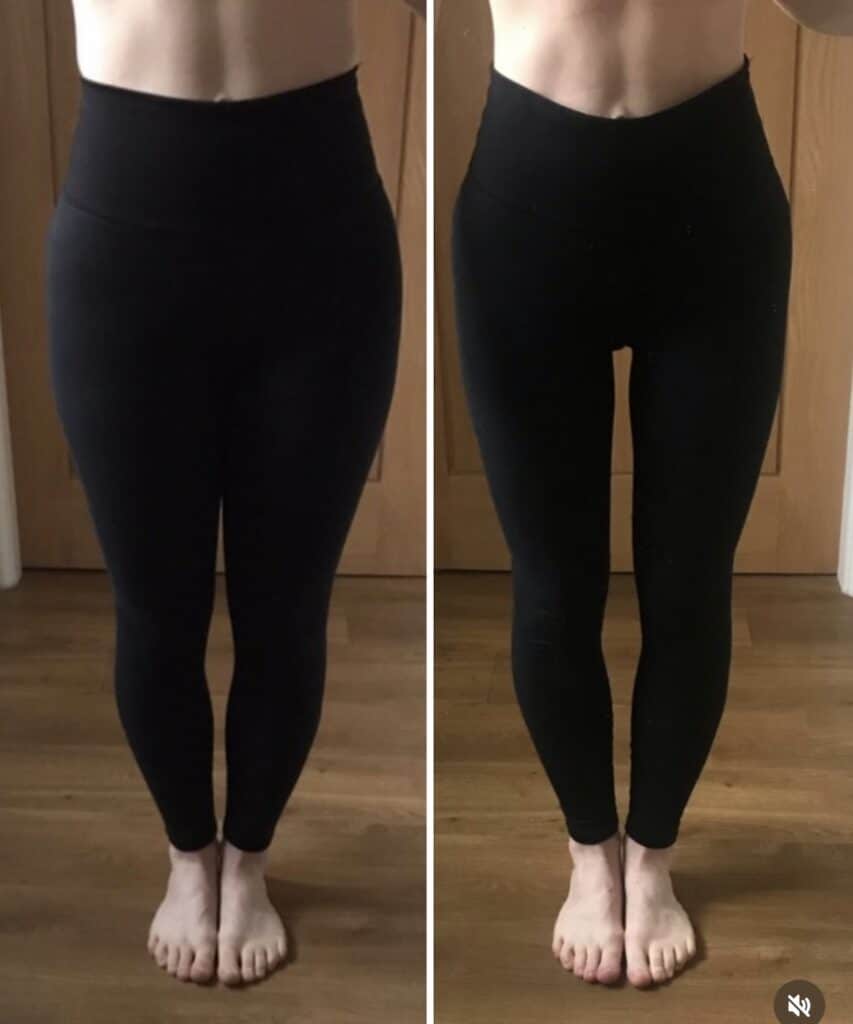
Are you tired of feeling like your leg day routine is working against you? Many of us strive for slim, toned legs, but end up with bulkier muscles than we bargained for.
The truth is, traditional leg workouts often focus on building strength and size, rather than lean, athletic legs. This approach can be misleading, especially for those who want to achieve a more streamlined lower body without the bulk.
So, what’s the secret to achieving the legs you want? It starts with understanding the common misconceptions in traditional leg workouts and shifting your focus towards a more tailored approach.
Key Takeaways
- Understanding the difference between building strength and achieving lean legs
- Identifying common misconceptions in traditional leg workouts
- Shifting focus towards a more tailored approach for slim, toned legs
- Avoiding bulk-building exercises
- Focusing on exercises that promote lean muscle
The Common Misconception About Leg Workouts
The pursuit of slim, lean legs is often thwarted by misconceptions about effective leg workouts. Many start their fitness journey without grasping how various exercises affect muscle growth.
Why Traditional Leg Exercises Often Lead to Bulking
Traditional leg exercises, like squats and lunges, aim to build strength and muscle. While they’re great for muscle growth, they can cause bulking if not done right or in excess. The secret to avoiding bulk is to use higher reps with lighter weights. This approach tones muscles without significantly increasing their size.
The Difference Between Male and Female Muscle Development
Muscle growth varies between men and women due to hormonal differences. Women generally have lower testosterone levels, making it harder to build large muscle. Understanding these differences is key to creating workouts that aim for slim, toned legs without bulking.
To get slim legs, adopting a workout plan focused on toning is crucial. This requires the right exercises, proper nutrition, and knowing your body type and muscle development.
Understanding Your Body Type and Leg Muscles
The path to achieving slim thighs and lean legs starts with understanding your body type and leg anatomy. Knowing how your body is structured and how your muscles function is key. It’s essential for creating a workout plan that meets your specific needs.
The Three Main Body Types and How They Affect Your Legs
Your body type greatly influences your leg shape and muscle distribution. There are three main body types: ectomorph, mesomorph, and endomorph. Ectomorphs have lean legs with less muscle, mesomorphs have athletic builds, and endomorphs tend to store more fat, especially around the thighs. Knowing your body type helps you understand how your legs will respond to different workouts, like a slim thighs workout.
Key Leg Muscle Groups and Their Functions
The legs consist of several key muscle groups: quadriceps, hamstrings, glutes, and calves. The quadriceps and hamstrings control knee movement. The glutes are vital for hip stability and movement. The calf muscles are responsible for ankle movement. Understanding these muscle functions is crucial for targeting them effectively in your leg workouts for women.
Identifying Your Natural Leg Shape
Identifying your natural leg shape is crucial for tailoring your workout plan. Leg shapes vary greatly; some have straight legs, while others have more curvaceous or muscular legs. By understanding your natural leg shape, you can focus on exercises that enhance your leg appearance. Whether you aim for leaner, more toned legs or simply improve muscle balance, this knowledge is vital.
The Science Behind Slim vs. Bulky Legs
To achieve slim legs, it’s crucial to grasp the relationship between muscle hypertrophy, hormones, and genetics. Understanding the physiological differences between slim, toned legs and bulky ones is key. This knowledge helps in naturally sculpting your legs.
Muscle Hypertrophy vs. Muscle Toning
Muscle hypertrophy is the growth of muscle fibers, leading to increased muscle size. It’s often seen in those who engage in strength training and resistance exercises. In contrast, muscle toning aims to enhance muscle definition and visibility. It combines strength training with cardio to reduce body fat. For slim legs, focus on toning rather than hypertrophy.
How Hormones Affect Leg Muscle Development
Hormones are pivotal in muscle growth and fat distribution. For example, testosterone boosts muscle hypertrophy, potentially causing bulkier legs if not balanced. Women, with generally lower testosterone levels, find it easier to tone their legs without bulk. Knowing your hormonal balance aids in crafting a personalized workout and nutrition plan.
The Role of Genetics in Leg Appearance
Genetics greatly shape body shape, muscle distribution, and fat storage. Some may naturally store fat in their legs or have a muscular build. While genetics are fixed, understanding your genetic predispositions guides your fitness goals and strategies. This approach optimizes results for your body type.
Workouts That Cause Unwanted Leg Bulk
Many aim for slim legs, but some workout errors can block progress. To achieve lean legs, it’s crucial to select the right exercises and avoid those that cause bulk.
Heavy Weight Training Mistakes
Using heavy weights without proper form is a common error. This can result in muscle growth, especially in the thighs. To prevent this, opt for lower weight with higher repetitions. This approach tones muscles without adding bulk.
High-Intensity Exercises That Can Thicken Thighs
Exercises like deep squats and lunges are great for leg development. However, using heavy weights can make thighs thicker. By modifying these exercises or reducing the weight, you can avoid this issue.
Popular Fitness Classes That May Promote Bulking
Certain fitness classes, such as high-intensity interval training (HIIT) and leg-focused boot camps, can inadvertently cause leg bulk. It’s vital to adjust the intensity and focus of these workouts to meet your goal of achieving slim legs.
By being aware of these common workout mistakes and adjusting your routine, you can aim for the slim, lean legs you desire.
The Ultimate Slim Legs Workout Plan
Achieving slim, lean legs requires a workout plan that steers clear of heavy bulking exercises. It’s essential to blend low-impact cardio with resistance training. This combination tones your legs without adding bulk.
Low-Impact Cardio Exercises
Low-impact cardio exercises are key for fat burning and leg toning. Brisk walking, swimming, and cycling are top choices. These activities not only trim fat around the legs but also boost cardiovascular health.
Incorporating brisk walking into your daily routine can greatly enhance leg toning. Aim for at least 30 minutes of brisk walking daily to see noticeable results.
Resistance Training That Slims Rather Than Bulks
Resistance training is crucial for toning leg muscles. To prevent bulking, focus on higher repetitions with lower weights. Leg press, lunges, and leg extensions are effective when done correctly.
For instance, bodyweight lunges can tone your thighs and glutes without bulking. Ensure proper form and aim for 15-20 repetitions per set.
Optimal Workout Frequency and Duration
Striking the right balance between workout frequency and duration is key for slim legs. Aim for 3-4 times of workout per week, with each session lasting around 45 minutes.
Sample Weekly Schedule
- Monday: Low-impact cardio (30 minutes of brisk walking)
- Tuesday: Resistance training (leg press and lunges)
- Thursday: Low-impact cardio (swimming or cycling for 30 minutes)
- Friday: Resistance training (leg extensions and calf raises)
By following this structured workout plan, you can effectively work towards achieving slim, toned legs without bulking.
Essential Cardio for Lean Legs

To achieve lean legs, it’s crucial to include the right cardio workouts in your fitness plan. Cardio exercises are key for fat burning and revealing muscle tone in your legs.
Walking: The Underrated Leg Slimming Exercise
Walking is a simple yet effective cardio for slimming legs. It’s low-impact, perfect for beginners or those with joint issues. Brisk walking boosts your heart rate and burns calories efficiently.
Swimming and Cycling for Lean Definition
Swimming and cycling are top cardio choices for lean legs. Swimming engages multiple muscles without joint strain, while cycling targets legs directly. Both help burn fat and build lean muscle.
LISS vs. HIIT: Which Is Better for Slim Legs?
Both Low-Intensity Steady-State (LISS) and High-Intensity Interval Training (HIIT) are effective for slimming legs. LISS involves steady, low-intensity exercise, while HIIT uses short, high-intensity bursts. Your choice depends on your fitness level and goals.
Heart Rate Zones for Optimal Fat Burning
Knowing your heart rate zones is key for fat burning during cardio. Exercising at 60-70% of your maximum heart rate is optimal for fat loss.
| Cardio Type | Intensity | Caloric Burn |
|---|---|---|
| LISS | Low | Moderate |
| HIIT | High | High |
| Swimming | Variable | High |
| Cycling | Variable | High |
Adding these cardio exercises to your routine can lead to leaner, slimmer legs. Remember, consistency and patience are essential.
Targeted Exercises for Slim Thighs and Calves
To achieve slim legs naturally, focus on specific workouts for the thighs and calves. A well-rounded routine tones legs without bulking up.
Inner Thigh Slimming Movements
Inner thigh exercises are key for balanced leg toning. Effective movements include:
- Sumo Squats: Stand with feet wider than shoulder-width apart, toes outward. Lower into a squat, back straight, then push back up.
- Inner Thigh Leg Lifts: Lie on your side, legs straight. Lift the top leg towards the ceiling, straight, then lower without touching the bottom leg. Repeat on the other side.
Outer Thigh Toning Techniques
Outer thigh toning is essential for balanced legs. Try these exercises:
- Side Lunges: Stand with feet together. Take a large step to one side, lower into a lunge, back straight, front knee behind toes. Push back up, repeat on the other side.
- Side Leg Lifts: Lie on your side, legs straight. Lift the top leg towards the ceiling, then lower it back down. This targets the gluteus medius and outer thigh muscles.
Calf-Slimming Strategies
Calf exercises tone and slim the lower leg. Incorporate these movements into your routine:
- Calf Raises: Stand on the edge of a step or curb, heels hanging off. Raise up onto tiptoes, then lower back down. This can be done with body weight or added resistance.
- Seated Calf Raises: Sit on a chair or bench, feet flat on the floor. Lift your heels off the ground, raising your calves, then lower them back down.
Proper Form and Technique Tips
Maintaining proper form is crucial for effective and safe exercise. Here are some tips:
- Engage Your Core: Keeping your core muscles engaged will help stabilize your body during exercises.
- Control Your Movements: Avoid jerky movements and focus on controlled, smooth actions.
| Exercise | Repetitions | Sets |
|---|---|---|
| Sumo Squats | 12-15 | 3 |
| Side Lunges | 12-15 per leg | 3 |
| Calf Raises | 15-20 | 3 |
Nutrition Tips for Leaner Legs

Getting slim, lean legs requires more than just exercise. A balanced diet is key, supporting your workouts and reducing water retention and bloating. This makes your legs appear slimmer.
Foods That Fight Water Retention
Some foods can combat water retention, slimming down your legs. Include potassium-rich foods like bananas, avocados, and spinach. They help balance sodium levels. Omega-3 fatty acids in salmon and walnuts also reduce swelling due to their anti-inflammatory properties.
| Food | Benefit |
|---|---|
| Bananas | Rich in Potassium |
| Avocados | High in Potassium and Healthy Fats |
| Salmon | Rich in Omega-3 Fatty Acids |
Protein Intake for Toning Without Bulking
Protein is vital for muscle toning, but too much can bulk you up. Aim for 0.8 to 1 gram of protein per pound of body weight daily. Opt for lean chicken, fish, and plant-based proteins like beans and lentils.
“The right amount of protein can help you tone your muscles without adding bulk. It’s all about balance.”
Meal Timing Around Your Leg Workouts
Timing your meals around workouts boosts their effectiveness. A light meal or snack with carbs and protein an hour before works. Post-workout, eat a mix of protein and carbs within 30 minutes to aid recovery.
Hydration Strategies for Reducing Bloat
Hydration is key for reducing water retention. Drink at least 8 cups (64 ounces) of water daily. Limit sodium and avoid carbonated drinks to minimize bloating.
By following these nutrition tips, you can enhance your lean legs workout. Achieve the toned, lean legs you’ve always wanted.
Creating Your Customized Slim Legs Workout Routine
Adopting a personalized approach to leg exercises can significantly impact your fitness journey. Knowing your current fitness level and goals allows you to craft a routine that’s both effective and maintainable.
Beginner’s 4-Week Plan
For novices, a 4-week beginner’s plan lays a strong foundation. It should blend low-impact cardio with resistance training. Begin with brisk walking or cycling, then add bodyweight squats and lunges to your routine.
Intermediate 8-Week Program
Those with some experience can benefit from an 8-week intermediate program. This program increases workout intensity by introducing weights or resistance bands. Incorporate weighted squats and deadlifts for enhanced results.
Advanced Techniques for Plateau Breaking
When you reach a plateau, it’s time to introduce advanced techniques. Alter your rep range, include plyometric exercises, or explore new workout routines. These changes can help you overcome the plateau and continue advancing.
Tracking Progress Beyond the Scale
Monitoring your progress is crucial, extending beyond weight measurements. Regularly take body measurements, track your workouts, and observe how your clothes fit. These metrics offer a more detailed view of your progress.
Common Mistakes to Avoid When Working Toward Slim Legs
The path to slim legs is often fraught with pitfalls that can slow your progress. Recognizing these common errors can guide you through your fitness journey more smoothly.
Overtraining Specific Muscle Groups
Overtraining can result in muscle hypertrophy, which might not align with your goal of slimming legs. Focusing intensely on specific exercises can lead to muscle imbalance and overdevelopment.
Neglecting Recovery and Its Impact
Recovery is a vital component of any workout regimen. Ignoring rest days can hinder muscle recovery and growth, potentially causing overtraining syndrome.
Unrealistic Expectations and Timeline
Setting unrealistic goals can lead to frustration. Achieving slim legs requires patience and time. Setting realistic milestones is crucial for maintaining motivation.
The Importance of Consistency Over Intensity
Consistency is more crucial than intensity for achieving slim legs. Regular, moderate workouts are more beneficial in the long term than sporadic, high-intensity sessions.
To illustrate the impact of consistency and avoiding common mistakes, consider the following comparison:
| Workout Approach | Expected Outcome | Potential Pitfalls |
|---|---|---|
| Overtraining with high intensity | Initial muscle toning | Potential for injury, muscle imbalances |
| Consistent, moderate workouts | Sustained slimming and toning | May see slower initial results |
Avoiding common errors like overtraining, neglecting recovery, setting unrealistic goals, and prioritizing intensity over consistency can help you achieve your goal of slim, toned legs more effectively.
Conclusion: Your Path to Naturally Slim and Toned Legs
To achieve slim and toned legs, you need the right mix of exercise, nutrition, and patience. Understanding your body type is crucial. Then, tailor a slim legs workout and lean legs workout plan to fit your needs. This is the first step towards your goal of slimmer, more toned legs.
Consistency is essential. Stick to your workout and nutrition plan. A balanced approach will help you achieve the legs you’ve always wanted. Gradually make changes to see progress and boost your confidence.
By following the advice in this article, you’re setting the stage for a slimmer, healthier you. Stay committed, and you’ll see the results you’re aiming for.
If you’re tired of guessing what works and what doesn’t, following a structured approach designed specifically for women who want lean legs can save a lot of frustration.
FAQ
What is the best slim legs workout for women?
The best workout for slim legs involves low-impact cardio and targeted resistance training. Activities like walking, swimming, or cycling are great for cardio. For resistance training, focus on leg press, lunges, and leg curls with lighter weights and higher reps.
How can I get lean legs without bulking up?
To get lean legs, stick to low-to-moderate intensity workouts. Include cardio and resistance training with lighter weights. Avoid high-intensity exercises and heavy weightlifting to prevent muscle growth.
What are some effective leg workouts that don’t bulk legs?
Effective workouts include bodyweight exercises like squats and lunges with higher reps and lower resistance. Adding cardio activities like jogging or cycling can also help tone legs without adding bulk.
How do I slim my thighs and calves?
To slim thighs and calves, focus on targeted exercises. Include inner and outer thigh movements, calf raises, and cardio. Use lower resistance and higher reps in strength training to tone without bulking.
Can certain foods help reduce water retention in the legs?
Yes, some foods can reduce water retention. Foods high in potassium, like bananas and avocados, help balance sodium levels. Drinking plenty of water also helps minimize bloating.
How often should I work out my legs to achieve slim legs?
Leg workout frequency depends on your fitness level and goals. Working out legs 2-3 times a week is effective, as long as you mix strength training with cardio and allow for recovery.
Is it possible to get slim legs naturally without surgery?
Yes, slimming legs naturally is possible with regular exercise, a balanced diet, and hydration. Consistency and patience are crucial, as natural methods take time to show results.
What is the role of genetics in the shape and size of my legs?
Genetics significantly influence leg shape and size, including muscle distribution and fat percentage. While you can’t change your genetics, a healthy lifestyle and proper workout routines can help achieve your goal of slim legs.
How can I track my progress towards having slim legs?
Track progress through body measurements, weight changes, and workout performance. Progress photos also provide a visual of changes. Pay attention to how your clothes fit and overall body composition.