
Choosing the right watch band might seem like a small detail, but in reality, it can completely change how your watch looks, feels, and fits into your daily life. Whether you wear a watch for work, fitness, or style, the band plays a bigger role than most people realize.
With so many materials, styles, and price points available online, it’s easy to feel overwhelmed. This guide breaks everything down in a simple, practical way to help you make a confident decision—without overpaying or ending up with a band you never use.
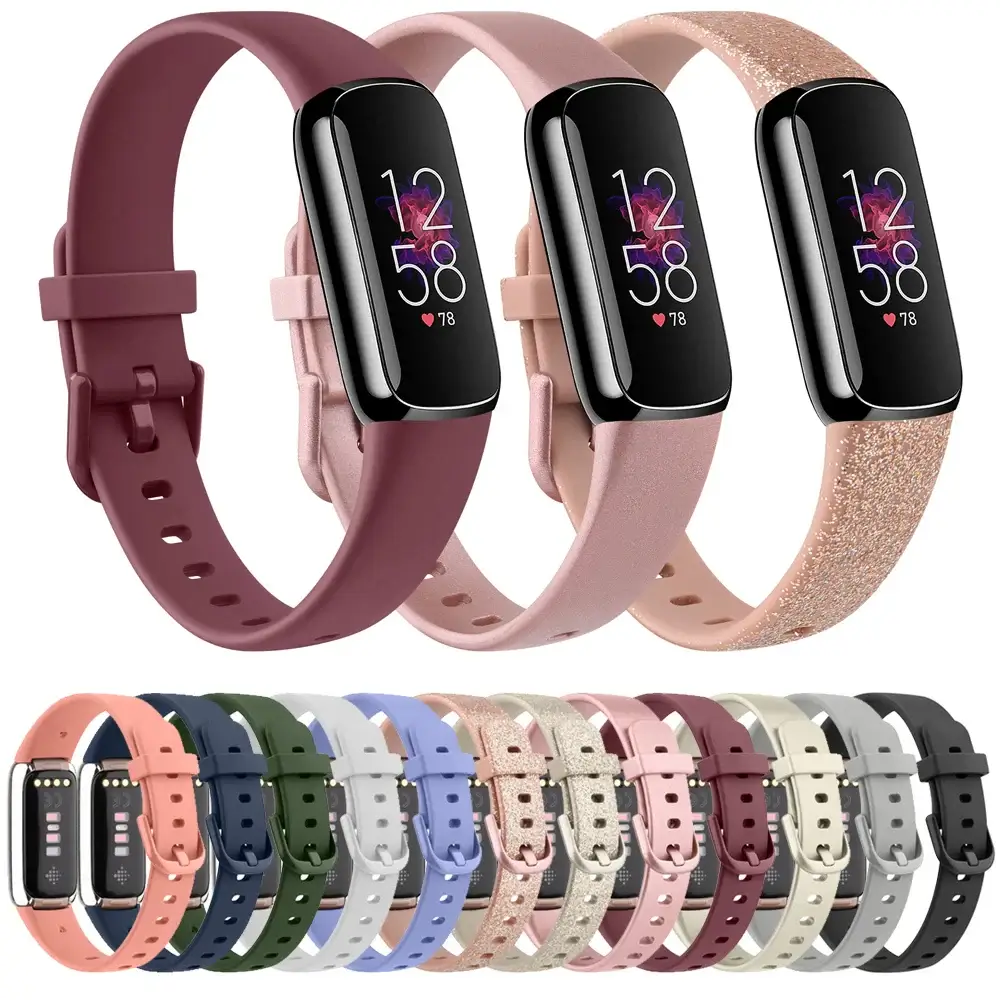
1. Start With How You Actually Use Your Watch
Before looking at brands or prices, ask yourself one question: When do I wear my watch most often?
- Daily wear / office use: Comfort and subtle design matter most
- Fitness & workouts: Sweat resistance and secure fit are critical
- Casual or weekend wear: Style and versatility become more important
- Special occasions: Premium materials and refined finishes stand out
Many buyers make the mistake of choosing a band based purely on appearance. In reality, the “best” watch band is the one that fits your lifestyle, not just your watch face.
2. Understanding Watch Band Materials
Different materials serve different purposes. Here’s a quick breakdown of the most common options.
Leather Watch Bands
Leather bands are popular for their classic, timeless look. They work well in professional or casual settings but aren’t ideal for intense workouts or water exposure.
Best for: Office wear, everyday style
Not ideal for: Sports, swimming, heavy sweating
Metal Watch Bands
Metal bands offer durability and a premium feel. Stainless steel options are especially popular for their balance between style and strength.
Best for: Formal wear, long-term durability
Consideration: Heavier than other materials
Nylon & Fabric Bands
Lightweight and breathable, nylon bands are comfortable and versatile. They’re often adjustable and great for all-day wear.
Best for: Casual use, travel, comfort
Style: Sporty or minimalist
Silicone & Rubber Bands
Designed for performance, silicone bands are water-resistant and easy to clean.
Best for: Fitness, workouts, outdoor activities
Style: Practical rather than elegant
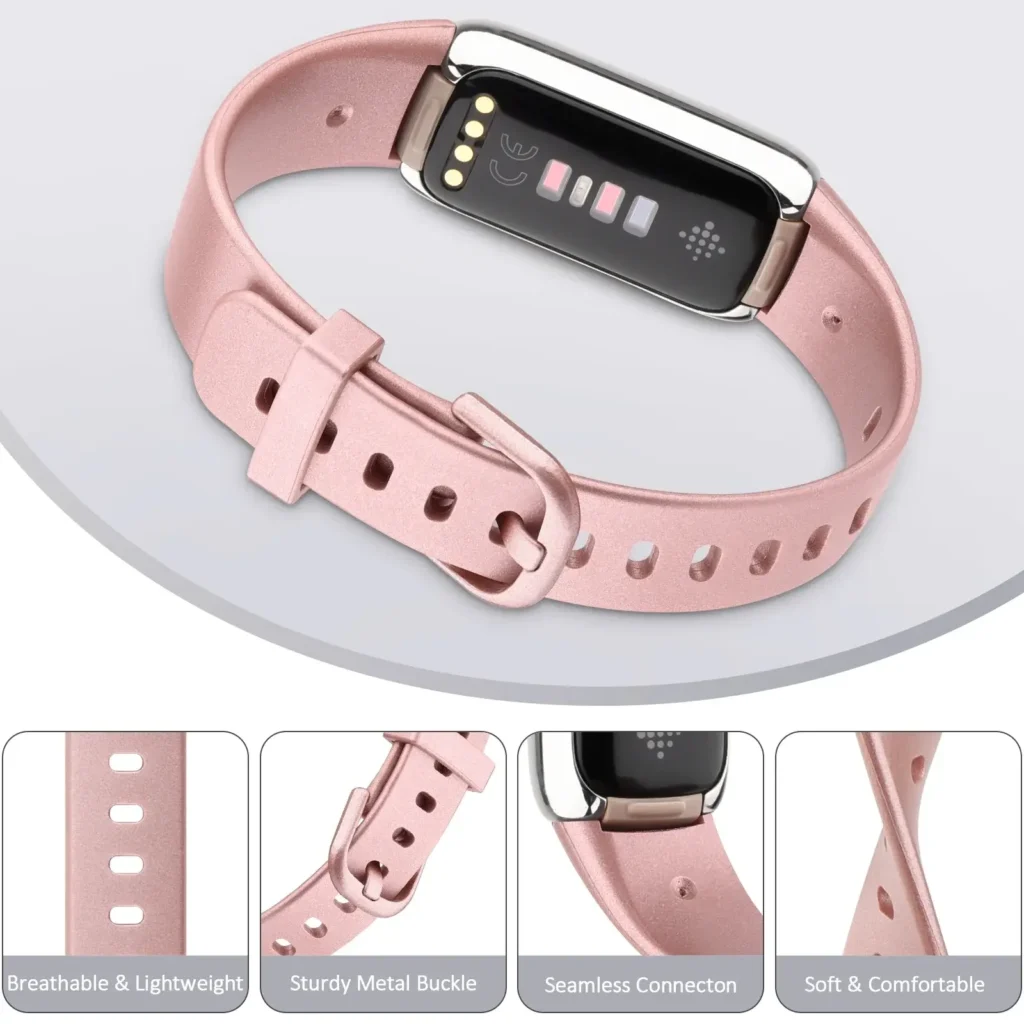
3. Fit Matters More Than You Think
A watch band that looks great but fits poorly will quickly become frustrating.
Things to double-check:
- Watch size compatibility (especially important for Apple Watch users)
- Band length for your wrist size
- Adjustment options (holes, links, stretch)
A good fit should feel secure without being tight and should stay comfortable throughout the day.
4. Why Quality Is Worth Paying Attention To
Low-quality watch bands often look fine at first but wear out quickly. Common issues include cracking leather, loose connectors, fading colors, and uncomfortable edges.
High-quality bands usually offer:
- Better stitching or finishing
- Stronger connectors
- Materials that age well instead of breaking down
In the long run, spending slightly more often saves money—and frustration.
5. Buying Watch Bands Online: What to Look For
When shopping online, the brand or store matters just as much as the product itself.
Look for:
- Clear product descriptions and photos
- Detailed compatibility information
- Honest customer reviews
- A focused catalog rather than random products
Some specialty stores focus entirely on watch bands, which often results in better quality control and more consistent designs compared to large marketplaces.
👉 If you’re curious how a dedicated watch band store compares to bigger platforms, you can read our in-depth review here:
Bandscostraps Review – Is It Worth It?
6. Should You Own More Than One Watch Band?
Many experienced watch owners rotate bands depending on the occasion. One watch can feel completely different with a simple band change.
A common setup:
- One comfortable daily band
- One fitness or outdoor band
- One more refined option for special occasions
This approach adds flexibility without buying multiple watches.
Final Thoughts
There’s no single “best” watch band for everyone. The right choice depends on how you wear your watch, what feels comfortable on your wrist, and what style fits your daily routine.
Taking a little time to understand materials, fit, and quality can make a big difference. The decision ultimately depends on personal comfort level, shopping habits, and priorities.