Best Low Impact Workouts for Women at Home (No Jumping)
You don’t need to leave your house or invest in expensive equipment to stay fit. Low impact exercises can be done in the comfort of your own home, and they’re perfect for women of all fitness levels.

These exercises are not only gentle on your joints, but they also provide a great way to improve your overall health and wellbeing. You can strengthen your muscles, boost your cardiovascular health, and increase your flexibility without putting excessive strain on your body.
Key Takeaways
- Low impact workouts can be done at home with minimal equipment.
- These exercises are suitable for women of all fitness levels.
- They help improve overall health and wellbeing.
- You can strengthen muscles and boost cardiovascular health.
- Low impact exercises are gentle on the joints.
The Benefits of No-Jump Exercise for Women
No-jump exercises offer a multitude of benefits for women, making them an ideal choice for those looking to stay active without putting excessive strain on their bodies. These exercises are particularly beneficial for women who are recovering from injuries, are sensitive to high-impact stress, or simply prefer lower-impact activities.
Joint Protection and Injury Prevention
No-jump exercises are gentle on the joints, reducing the risk of injury and making them suitable for women with joint issues or chronic pain. By minimizing the impact on joints, women can maintain their fitness levels without exacerbating existing conditions.
Effectiveness for Weight Management
No-jump exercises can be highly effective for weight management. They improve cardiovascular health, boost metabolism, and help burn calories, all of which contribute to maintaining a healthy weight. Moreover, these exercises can be modified to suit different fitness levels, ensuring that women can challenge themselves appropriately.
Accessibility for All Fitness Levels and Body Types
One of the significant advantages of no-jump exercises is their accessibility. Regardless of fitness level or body type, women can engage in these exercises, making them an inclusive option for a wide range of individuals. Whether you’re just starting out on your fitness journey or are looking for a low-impact alternative, no-jump exercises can be tailored to meet your needs.
| Benefits | Description |
|---|---|
| Joint Protection | Reduces the risk of injury and stress on joints |
| Weight Management | Improves cardiovascular health and burns calories |
| Accessibility | Suitable for all fitness levels and body types |
Understanding Low Impact vs. High Impact Exercise
The world of fitness is filled with various exercise types, but understanding the distinction between low impact and high impact exercise is key to making informed decisions about your workout routine. As you navigate through different workout options, it’s essential to consider what makes a workout low impact, how it compares to high impact exercise in terms of calorie burn and effectiveness, and who should prioritize low impact training.
What Makes a Workout “Low Impact”
A low impact workout is characterized by movements that reduce the stress and strain on your joints. These exercises typically involve keeping one foot on the ground or maintaining contact with a stable surface, such as during walking, cycling, or certain types of strength training. Low impact exercises are ideal for individuals who need to avoid high-impact activities due to injury, joint issues, or other health concerns.
Comparing Calorie Burn and Effectiveness
While high impact exercises are often associated with higher calorie burn due to their intense nature, low impact exercises can still be effective for weight management when done correctly. For instance, a brisk walk or a low impact aerobics class can burn a significant number of calories, especially if you’re new to regular exercise. The key is to focus on the intensity and duration of your workout rather than just its impact level.
Who Should Prioritize Low Impact Training
Low impact training is particularly beneficial for certain groups of people, including those with joint problems, chronic injuries, or pregnant women. Additionally, individuals who are just starting their fitness journey or are returning to exercise after a long break may find low impact workouts to be a more accessible and sustainable option. It’s about finding a balance that works for you and your body.
In conclusion, understanding the differences between low impact and high impact exercise allows you to make informed choices about your fitness routine. By considering your health, fitness goals, and personal preferences, you can choose the most appropriate type of exercise for a safe and effective workout.
Essential Equipment for Low Impact Workouts at Home
You can achieve a great low impact workout from the comfort of your own home with minimal equipment. The beauty of low impact exercises lies in their flexibility and accessibility, allowing you to get started with what you already have at home.
No-Equipment Options
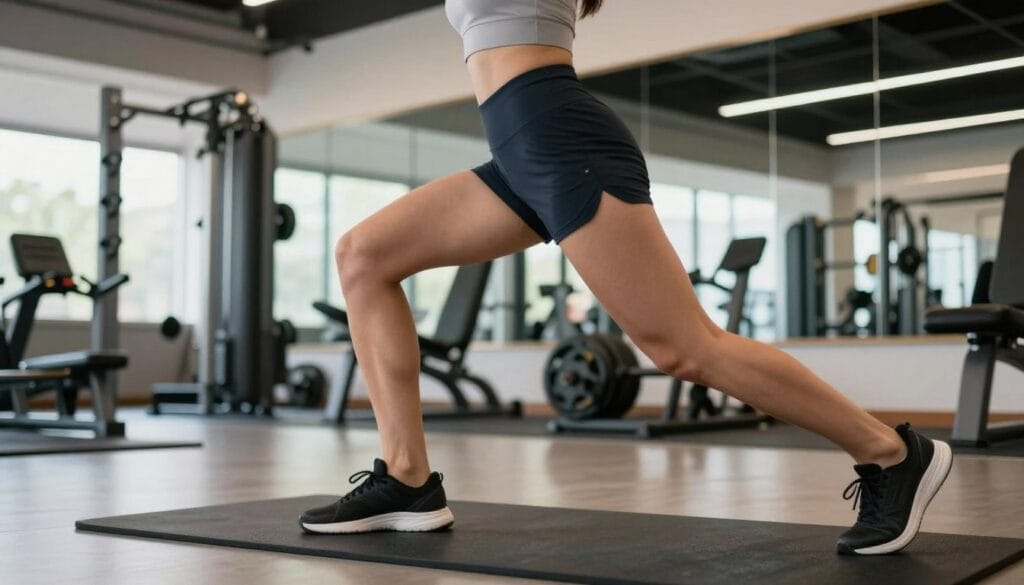
Many effective low impact workouts require zero equipment. Bodyweight exercises such as squats, lunges, and wall push-ups are excellent examples. You can also engage in walking or marching in place, or follow along with free online workout videos that don’t require any equipment.
Basic Equipment Worth Investing In
While not necessary, investing in a few basic pieces of equipment can enhance your workout routine. Consider a resistance band or a light set of dumbbells to add variety to your strength training exercises. A yoga mat can also be beneficial for comfort during floor-based workouts.
Setting Up Your Home Workout Space
Creating a dedicated workout space at home can help you stay motivated and focused. Clear a clutter-free area with enough room to move around comfortably. Ensure the space is well-ventilated and consider adding a mirror to check your form. With a little preparation, you can enjoy effective low impact workouts from the convenience of your own home.
Best Low Impact Workouts for Women at Home
Low impact workouts offer a fantastic way to improve your fitness without the need for high-impact movements that can be harsh on your joints. You can engage in various effective exercises from the comfort of your home.
Walking-Based Cardio Sequences
Walking-based cardio is an excellent way to get your heart rate up without putting excessive strain on your joints. You can march in place, walk sideways, or even walk up and down stairs if you have them.
Sample Routine: March in place for 3 minutes, followed by 2 minutes of side-to-side walking. Repeat this cycle for 20 minutes.
Modified HIIT Without Jumping
High-Intensity Interval Training (HIIT) can be modified to eliminate jumping, making it low impact. This involves short bursts of intense exercise followed by brief periods of rest.
Example: Perform squats for 30 seconds, rest for 15 seconds, then do push-ups for 30 seconds. Continue alternating exercises for 20 minutes.
Low Impact Dance Cardio Routines
Dance cardio is a fun way to stay active. Low impact versions focus on movements that keep one foot on the ground at all times.
Beginner-Friendly Moves
- Step-touches
- Side-to-side shuffles
- Arm circles while marching
Intermediate Combinations
- Combining step-touches with squats
- Alternating between side shuffles and leg lifts
- Adding claps or jumps (replaced with step-ups for low impact) to your routine

| Workout Type | Duration | Intensity |
|---|---|---|
| Walking-Based Cardio | 20-30 minutes | Low-Moderate |
| Modified HIIT | 20-30 minutes | High |
| Low Impact Dance Cardio | 30-45 minutes | Moderate-High |
Strength Training Without the Impact
You can achieve significant strength gains without putting excessive strain on your joints. Strength training is a crucial component of overall fitness, and there are numerous low-impact methods to incorporate it into your routine.
Standing Resistance Exercises
Standing resistance exercises are effective for building strength without the need for any equipment. You can perform exercises like standing leg lifts, arm circles, and shoulder presses using your body weight or light household items.
- Stand with your feet shoulder-width apart for balance.
- Use light weights or household items for resistance.
- Focus on proper form to avoid injury.
Floor-Based Strength Movements
Floor-based exercises provide a stable environment for strength training. You can perform modified push-ups, planks, and leg raises to target various muscle groups.
Tip: Keep your core engaged to support your lower back.
Using Household Items for Added Resistance
Household items can serve as effective substitutes for traditional gym equipment. You can use water bottles, canned goods, or resistance bands to add resistance to your workouts.
Water Bottle and Canned Good Exercises
Water bottles and canned goods can be used as dumbbells. Try performing bicep curls, shoulder presses, or tricep extensions.
Resistance Band Alternatives
If you don’t have resistance bands, you can use a towel or a rope to create resistance. Anchor the towel or rope to a stable object and perform rows or presses.
| Exercise | Equipment Needed | Muscle Group |
|---|---|---|
| Bicep Curls | Water Bottles | Biceps |
| Shoulder Press | Canned Goods | Shoulders |
| Tricep Extensions | Resistance Band | Triceps |
By incorporating these strength training methods into your routine, you can improve your overall fitness without the risk of high-impact injuries.
Gentle Yet Effective Core and Ab Workouts
Gentle core workouts are an excellent way to build strength and stability without risking injury. You can achieve a strong core through various low-impact exercises that are easy on the joints and can be done in the comfort of your home.
Standing Core Engagement Techniques
Standing core exercises are great for engaging your core muscles without putting excessive strain on your back. Try standing with your feet hip-width apart and engage your core by drawing your navel towards your spine. Hold this position while performing simple movements like marching in place or arm raises.
Floor-Based Core Exercises
Floor-based exercises allow you to target your core muscles from different angles. Planks are a great example; hold a plank position, engaging your core and keeping your body straight from head to heels. You can also try gentle crunches or leg raises while lying on your back.
Modified Pilates Movements for Core Strength
Pilates is renowned for its core-strengthening benefits. Modified Pilates movements, such as hundreds or roll-ups, can be adapted to suit different fitness levels. These exercises focus on controlled movements that engage your core and improve overall stability.
By incorporating these gentle yet effective core and ab workouts into your routine, you can build a stronger, more stable core without the risk of high-impact injuries.
Low Impact Yoga and Stretching Routines
Low impact yoga and stretching routines offer a gentle yet effective way to improve your flexibility and aid in recovery. These exercises are particularly beneficial for women looking to enhance their overall well-being without putting excessive strain on their joints.
Gentle Flow Sequences
Gentle flow sequences are an excellent way to start your yoga practice. They involve moving slowly through a series of poses, focusing on your breath and the smoothness of your movements. This approach helps in warming up your muscles and preparing your body for more intense stretches.
Standing Balance Poses
Standing balance poses are crucial for improving your balance and stability. These poses not only strengthen your core and leg muscles but also enhance your overall posture. Examples include Tadasana (Mountain Pose) and Vrksasana (Tree Pose).
Restorative Stretching for Recovery
Restorative stretching is designed to help your body recover from the stresses of daily activities. It involves using props to support your body in relaxing positions, allowing your muscles to release tension fully.
10-Minute Morning Routine
Starting your day with a 10-minute morning routine can boost your energy and set a positive tone. Begin with gentle neck stretches, followed by shoulder rolls and some light cardio movements to get your blood flowing.
15-Minute Evening Wind-Down
A 15-minute evening wind-down routine can help you relax and prepare for a restful night’s sleep. Focus on deep breathing exercises and gentle stretches, such as Paschimottanasana (Seated Forward Fold) and Balasana (Child’s Pose).
| Routine | Duration | Benefits |
|---|---|---|
| Morning Routine | 10 minutes | Boosts energy, improves flexibility |
| Evening Wind-Down | 15 minutes | Promotes relaxation, aids in sleep preparation |
By incorporating these low impact yoga and stretching routines into your daily schedule, you can significantly enhance your flexibility, balance, and overall well-being.
Creating a Sustainable Workout Schedule
To get the most out of your low-impact workouts, you need a well-structured schedule. A consistent routine helps in achieving your fitness goals and ensures that you’re making progress without overexerting yourself. By planning your workouts, you can balance different types of exercises and maintain a low-impact approach.

Weekly Workout Planning for Maximum Results
Effective weekly workout planning involves a mix of cardio, strength training, and flexibility exercises. You should aim for at least 150 minutes of moderate-intensity cardio per week, along with two strength training sessions. This balance helps in overall fitness and ensures that you’re not overdoing it on any single type of exercise.
- Cardio days: Focus on low-impact activities like brisk walking, swimming, or cycling.
- Strength training days: Incorporate exercises that work on different muscle groups, using resistance bands or bodyweight.
- Flexibility and stretching: Include yoga or Pilates to improve flexibility and aid in recovery.
Balancing Different Types of Exercise
Balancing different types of exercise is crucial for a well-rounded fitness routine. You should mix cardio, strength training, and flexibility exercises to avoid plateaus and prevent overuse injuries. For example, you could do cardio on Monday and Wednesday, strength training on Tuesday and Thursday, and flexibility exercises on Friday.
Progressing Safely While Maintaining Low Impact
Progressing safely in your workout routine involves gradually increasing the intensity or duration of your workouts. For low-impact exercises, this could mean adding more resistance, doing more repetitions, or increasing the duration of your cardio sessions. It’s essential to listen to your body and not push yourself too hard, too fast.
Sample 30-Day Program
Here’s a sample 30-day program to get you started:
| Week | Monday | Tuesday | Wednesday | Thursday | Friday |
|---|---|---|---|---|---|
| 1 | Brisk Walking (30 mins) | Strength Training (Upper Body) | Brisk Walking (30 mins) | Strength Training (Lower Body) | Yoga (30 mins) |
| 2 | Cycling (30 mins) | Strength Training (Upper Body) | Cycling (30 mins) | Strength Training (Lower Body) | Pilates (30 mins) |
By following this structured approach, you can create a sustainable workout schedule that meets your fitness goals while maintaining a low-impact regimen.
Conclusion
You now have the tools and knowledge to start your low impact workout journey from the comfort of your home. By incorporating the exercises and routines discussed, you can achieve your fitness goals while protecting your joints and maintaining overall well-being.
Low impact workouts offer numerous benefits, including reduced risk of injury, improved cardiovascular health, and increased strength and flexibility. With a well-structured routine, you can enjoy a sustainable and effective fitness regimen that suits your lifestyle.
As you begin your home workouts, remember to start slowly, listen to your body, and progress at your own pace. With consistency and dedication, you can achieve a healthier, stronger you. Low impact workouts are an excellent way to maintain a healthy lifestyle, and with the right approach, you can enjoy a lifetime of fitness and wellness.
By choosing low impact workouts, you’re taking a significant step towards a healthier, more balanced you. So, get moving, stay committed, and experience the positive impact of low impact exercise on your overall health and fitness.