A child’s bedroom in a small home must serve as sleeping space, play area, homework zone, and storage for clothing, toys, books, and sports equipment all within the same four walls. The most effective children’s room organization systems are ones that children can participate in.
Start with how much the room can actually hold
Before buying storage, count the available spaces: how many shelves, how many drawers, how much floor space is available. Then count the amount of stuff that currently lives in the room. If the room cannot hold everything, no organizational system will solve the problem permanently.
Use toy rotation to reduce visible clutter
Toy rotation is a practical solution for small rooms with many toys. Instead of keeping all toys accessible at once, divide them into two or three groups and rotate every few weeks. Children often engage more with toys that feel new after a break. The room becomes significantly easier to organize when only one portion of the toy collection is present at a time.
Choose storage that children can use independently
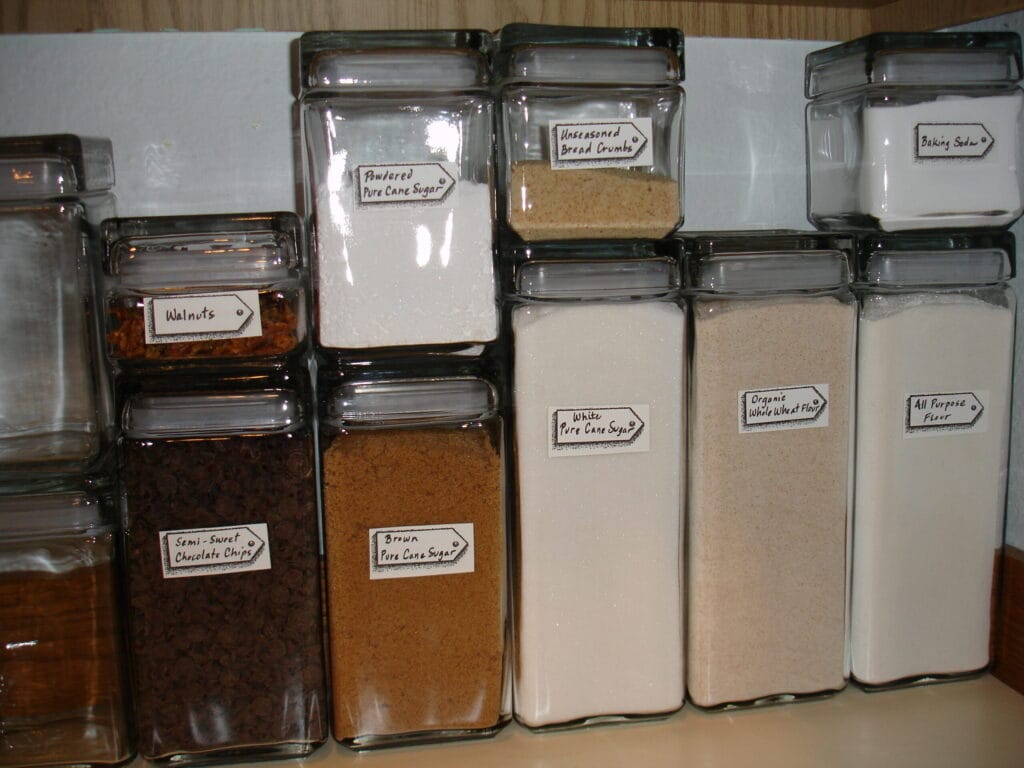
Storage that children can operate independently is more likely to be used. Open bins, low shelves, and labeled containers with picture labels for younger children make putting things away straightforward. Avoid systems that require lifting heavy lids or reaching high shelves.
Create zones for different activities
Even in a small room, dividing the space into loose zones helps children understand where different activities take place. A rug can define a play area. A small bookshelf can mark a reading corner. Visual cues are enough.
Keep the floor clear as the primary goal
In a children’s room, the floor is both a play surface and a safety consideration. Establish a simple daily habit: before bed, everything on the floor goes back to its shelf, bin, or drawer. This single routine is more effective than any organizational system that requires constant adult maintenance.