
For over a decade, patients managing heart health have relied on injectable treatments to keep their levels in check. That era of needles and clinic visits is finally changing. On July 16, 2026, the medical community celebrated a major milestone with the fda approval 2026 of Lipfendra, also known as enlicitide.
This breakthrough medication from Merck represents the first once-daily oral Cholesterol Pill available to the public. It functions as a powerful PCSK9 inhibitor, offering a much simpler way for millions of Americans to protect their cardiovascular health.
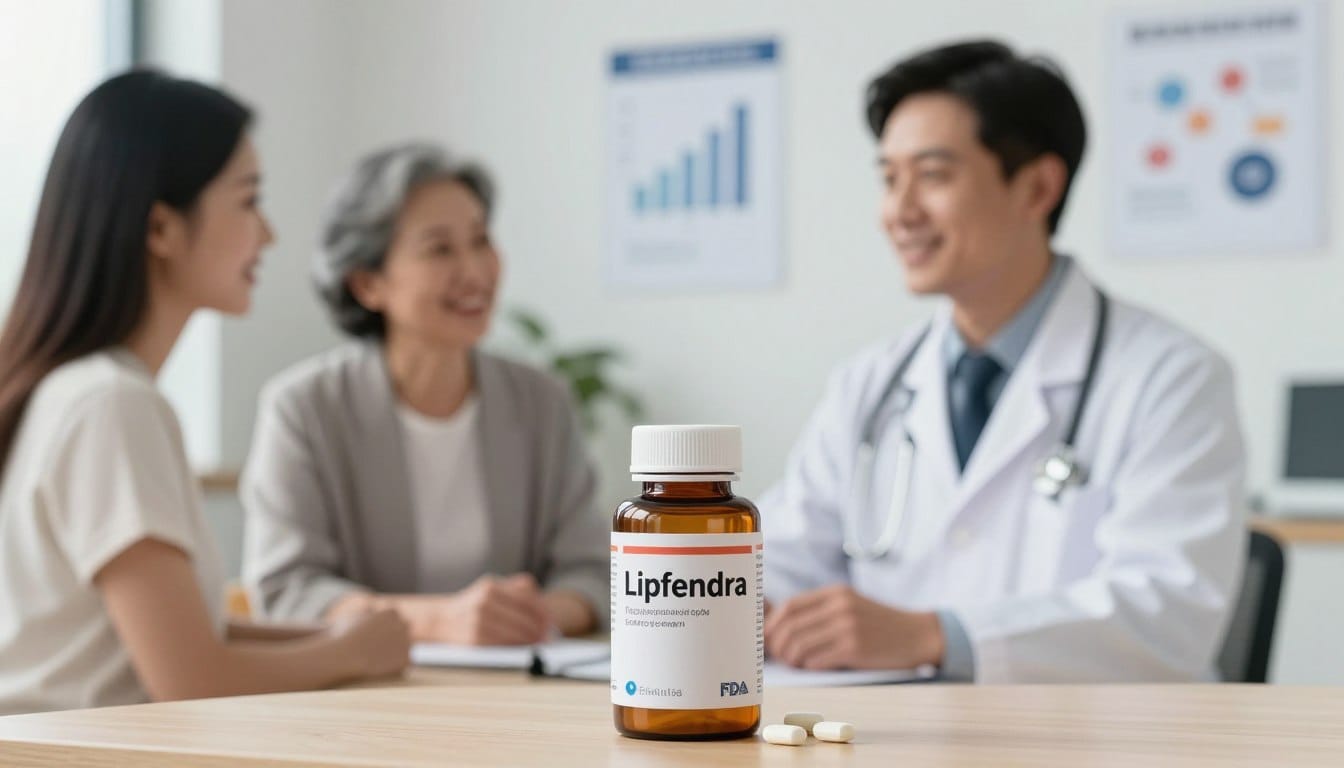
The arrival of this treatment marks a significant shift in daily care routines. By removing the need for injections, it empowers patients to take control of their wellness with ease and confidence. This development is truly a game-changer for those seeking effective, non-invasive options.
Key Takeaways
- Merck received official clearance for Lipfendra on July 16, 2026.
- It is the first oral PCSK9 inhibitor approved for daily use.
- The treatment eliminates the need for traditional injectable therapies.
- This innovation simplifies cardiovascular management for millions of patients.
- The medication is designed to be taken once per day for optimal results.
A New Era in Cardiovascular Health
The landscape of heart health is shifting dramatically with the arrival of new oral therapies. For many patients, the daily management of cholesterol has long been a source of frustration and physical discomfort. This breakthrough represents a genuine turning point for those seeking effective, non-invasive options to protect their long-term cardiovascular wellness.
The FDA Approval of Lipfendra
The recent decision by the FDA to approve Lipfendra marks a historic moment in medical history. As the first once-daily oral pcsk9 inhibitor, this medication simplifies a treatment regimen that was previously limited to complex injections. Patients can now look forward to a more manageable routine that fits seamlessly into their busy lives.
Healthcare providers are optimistic that this change will lead to better patient compliance and improved health outcomes. By removing the barrier of injectable administration, the medical community expects a significant increase in the number of people successfully managing their cholesterol levels. This approval is truly a welcome advancement for modern cardiology.
Understanding the Role of PCSK9 Inhibitors
To understand why this development matters, one must look at how a pcsk9 inhibitor functions within the human body. These medications target a specific protein that interferes with the liver’s ability to clear LDL cholesterol from the bloodstream. By blocking this protein, the liver becomes much more efficient at filtering out harmful fats.
The following table highlights the key differences between traditional injectable therapies and the new oral approach:
| Feature | Injectable Therapy | Oral Lipfendra |
|---|---|---|
| Administration | Self-Injection | Daily Pill |
| Convenience | Moderate | High |
| Mechanism | PCSK9 Blockade | PCSK9 Blockade |
| Storage | Refrigerated | Room Temp |
Ultimately, the arrival of an oral cholesterol pill provides a powerful tool for those at risk of heart disease. It empowers patients to take control of their health with greater ease and confidence. This innovation serves as a cornerstone for the future of preventative cardiovascular care.
The Science Behind the First Oral Cholesterol Pill
The innovation behind this oral cholesterol medication lies in its unique molecular design. By targeting specific pathways in the liver, it offers a fresh approach to managing heart health without the need for injections.
This breakthrough represents a significant shift in how medical professionals treat patients with high lipid levels. Understanding the underlying biology helps clarify why this treatment is gaining so much attention in the medical community.
How Enlicitide Works in the Body
The core of this therapy is the active ingredient known as enlicitide. This compound works by inhibiting specific proteins that otherwise prevent the liver from clearing fats from the bloodstream.
Once ingested, the Cholesterol Pill travels through the digestive system to reach the liver. It effectively increases the density of receptors that capture and remove harmful fats, leading to a cleaner cardiovascular system.
Clinical Trial Results and LDL-C Reduction
Rigorous Phase 3 clinical trials have provided clear evidence of the drug’s performance. Researchers focused on the reduction of ldl cholesterol, which is often referred to as the “bad” type of fat that clogs arteries.
The data from these studies is quite compelling for patients and doctors alike. Participants showed a 56% and 59% reduction in their levels compared to those who received a placebo over a 24-week period.
| Trial Group | Duration | LDL-C Reduction |
|---|---|---|
| Placebo Group | 24 Weeks | Baseline |
| Enlicitide Group A | 24 Weeks | 56% |
| Enlicitide Group B | 24 Weeks | 59% |
These results highlight the potential of this new therapeutic option to change standard care protocols. By maintaining consistent levels, patients can better manage their long-term health goals with this convenient oral cholesterol medication.
Who Can Benefit from Lipfendra
Understanding who qualifies for this new oral medication is the first step toward better heart health. Many patients seek effective alternatives to manage their lipid profiles when standard treatments fall short. This cholesterol pill represents a significant advancement for those needing a more targeted approach to their cardiovascular wellness.
Targeting Hypercholesterolemia and HeFH
This medication is specifically designed for adults who struggle with hypercholesterolemia, a condition that elevates the risk of serious heart disease. It provides a specialized solution for those whose bodies cannot process cholesterol efficiently through diet and exercise alone.
The treatment is also indicated for patients diagnosed with heterozygous familial hypercholesterolemia (HeFH). This genetic condition often leads to dangerously high cholesterol levels starting at a young age. Key benefits for these groups include:
- Significant reduction in LDL-C levels.
- Improved management of genetic lipid disorders.
- A convenient oral alternative to injectable therapies.
Patient Eligibility and Medical Consultation
Determining if this therapy is the right choice requires a thorough review of your unique medical history. Because hypercholesterolemia affects every patient differently, a personalized strategy is essential for success.
“The path to heart health is rarely one-size-fits-all; it requires a partnership between the patient and their physician to ensure the best outcomes.”
You should schedule a consultation with your healthcare provider to discuss your specific needs. They will evaluate your current treatment plan and determine if Lipfendra aligns with your long-term health goals. Always prioritize professional medical advice when considering changes to your cardiovascular care regimen.
Daily Usage and Lifestyle Adjustments
Understanding the timing requirements for this cholesterol pill is essential for achieving the best health outcomes. Consistency serves as the foundation for any effective treatment plan, especially when managing cardiovascular health.
The 20mg Daily Regimen
Patients are prescribed a 20mg daily pill to help regulate their cholesterol levels. Adherence to this specific dosage is critical for ensuring the medication works as intended by the manufacturer. Missing a dose can disrupt the steady state of the drug in your system, so it is best to take it at the same time every day.
Managing the 30-Minute Food and Beverage Window
One of the most important aspects of your treatment involves a strict 30-minute waiting period. After taking your dose, you must avoid consuming food, coffee, or tea for at least half an hour. This buffer ensures that your body processes the medication without interference from other substances.
Why Timing Matters for Absorption
The chemical composition of lipfendra is sensitive to certain dietary interactions. If you consume food or caffeinated beverages too soon, the absorption rate may decrease significantly. By waiting, you allow the medication to enter your bloodstream effectively, which maximizes its therapeutic benefits.
Tips for Integrating Lipfendra into Your Morning Routine
Integrating a new habit into a busy morning can feel challenging, but small adjustments make it easier. Consider these practical strategies to stay on track:
- Keep your medication on your nightstand to take it immediately upon waking.
- Use a smartphone alarm to remind you when the 30-minute window has passed.
- Prepare your breakfast or coffee only after you have swallowed your pill.
- Place a sticky note on your coffee maker as a visual reminder to wait.
By following these simple steps, you can seamlessly incorporate lipfendra into your lifestyle. Consistency not only improves your results but also provides peace of mind regarding your heart health journey.
Storage and Accessibility
The logistical hurdles often associated with specialized heart medication are finally being dismantled. Patients no longer need to worry about complex cold-chain requirements that previously complicated their daily routines. This shift represents a major leap forward in how individuals manage their cardiovascular health at home.
Room Temperature Stability Benefits
One of the most significant advantages of this new cholesterol pill is its room temperature stability. Unlike many injectable biologics that require strict refrigeration, this medication remains effective without the need for a dedicated cold storage space.
This feature provides unmatched convenience for patients who travel frequently or have busy, on-the-go lifestyles. You can easily keep your supply in a standard medicine cabinet or a travel bag without fearing that the medication will lose its potency. It effectively removes the anxiety of maintaining a “cold chain” while away from home.
Accessing Medication via the TrumpRx Program
Merck has further simplified the patient experience by launching the TrumpRx program. This direct-to-patient distribution model ensures that individuals can receive their prescriptions without navigating the traditional, often fragmented pharmacy supply chain.
By streamlining the delivery process, the program reduces the time between a doctor’s prescription and the arrival of the medication at your doorstep. This patient-first approach ensures that consistent adherence to the daily regimen is easier to maintain. It also provides a reliable way to manage refills without frequent trips to a local pharmacy.
| Feature | Traditional Injectables | New Oral Medication |
|---|---|---|
| Storage Requirement | Strict Refrigeration | Room Temperature |
| Travel Convenience | Difficult/Limited | High/Portable |
| Distribution Method | Retail Pharmacy | Direct-to-Patient |
| Accessibility | Variable | Streamlined |
Pricing and Market Impact
With the introduction of Lipfendra, the pharmaceutical market is seeing a significant change in how lipid-lowering drugs are priced. This new medication aims to balance clinical efficacy with improved patient accessibility across the United States.
Breaking Down the 315 Dollar Monthly Cost
The list price for this cholesterol pill is set at $315 per month before any insurance discounts or rebates are applied. By establishing this specific cholesterol pill price, the manufacturer intends to provide a more predictable financial outlook for patients.
This pricing strategy reflects a commitment to making advanced cardiovascular care more attainable. Many patients find that this monthly expenditure is significantly lower than other specialized therapies currently available on the market.

Comparing Lipfendra to Existing Injectable Therapies
When evaluating the repatha vs lipfendra landscape, the primary difference lies in the method of delivery and the associated costs. While injectables have long been the standard for those who do not respond to statins, the cholesterol pill offers a new level of convenience.
Repatha and Praluent Market Positioning
Amgen’s Repatha and the Regeneron/Sanofi partnership behind Praluent have dominated the PCSK9 inhibitor space for years. These injectable treatments are highly effective but often come with complex administration requirements and higher list prices.
“The shift toward oral administration for PCSK9 inhibition represents a major milestone in patient-centered care, potentially reducing the barriers to long-term adherence.”
— Pharmaceutical Industry Analyst
How Lipfendra Challenges the Leqvio Price Point
Lipfendra also serves as a direct competitor to Novartis’s Leqvio, which is typically administered twice a year. The cholesterol pill price of $315 per month is roughly half the cost of Leqvio, positioning it as a highly competitive option for cost-conscious healthcare providers.
Analyzing the repatha vs lipfendra dynamic helps patients understand their options. The following table highlights the key differences in administration and market positioning for these major therapies.
| Medication | Administration | Frequency | Market Focus |
|---|---|---|---|
| Lipfendra | Oral Pill | Daily | Affordability |
| Repatha | Injection | Bi-weekly/Monthly | Proven Efficacy |
| Leqvio | Injection | Bi-annually | Long-term Compliance |
The Regulatory Path to Approval
Behind the scenes of the latest medical innovation lies a sophisticated process known as the Commissioner’s National Priority Voucher program. This regulatory framework serves as a vital bridge between laboratory success and patient access. By prioritizing transformative therapies, the system ensures that life-saving medications reach the public without unnecessary bureaucratic delays.
Utilizing the Commissioner’s National Priority Voucher
The Commissioner’s National Priority Voucher (CNPV) is a specialized tool reserved for drugs that address significant unmet medical needs. When a pharmaceutical company qualifies for this program, it gains a strategic advantage in the review process. This voucher acts as a fast-track mechanism, allowing the agency to allocate more resources to the evaluation of the drug.
For this specific cholesterol-lowering medication, the application of the CNPV was instrumental. It signaled to regulators that the drug offered a unique solution for patients who struggle with traditional injectable therapies. By leveraging this voucher, the manufacturer successfully navigated the complex requirements leading to the fda approval 2026.
Accelerated Review Timelines Explained
The standard path for drug approval is often lengthy, involving multiple rounds of data verification and safety assessments. However, the accelerated timeline utilized here significantly condensed these phases. This approach does not compromise safety; instead, it optimizes the efficiency of communication between the developer and the regulatory body.
The following table illustrates how the priority pathway differs from the standard regulatory route in terms of focus and duration.
| Review Feature | Standard Pathway | Priority Pathway (CNPV) |
|---|---|---|
| Review Duration | 10-12 Months | 6-8 Months |
| Resource Allocation | Routine | High-Intensity |
| Primary Goal | Safety Verification | Safety & Urgent Access |
| Outcome | Standard Approval | Accelerated fda approval 2026 |
Ultimately, this streamlined process highlights a commitment to patient-centered innovation. By reducing the time spent in the regulatory pipeline, the industry can deliver effective treatments to those who need them most. This successful outcome sets a new benchmark for how future cardiovascular drugs might be evaluated and brought to market.
Financial Projections and Industry Outlook
The introduction of this medication marks a pivotal moment for both the company and the broader healthcare market. As the medical community adopts new ways to manage heart health, the economic landscape for cardiovascular treatments is shifting rapidly. The arrival of enlicitide represents a major commercial milestone that has captured the attention of investors and industry experts alike.
Analysts Predict 5 Billion Dollar Peak Sales
Financial analysts are highly optimistic about the market potential for this new therapy. Current projections estimate that the drug will reach peak annual sales of 5 billion dollars as it gains traction among patients and providers.
This growth is largely driven by the market’s clear preference for more convenient delivery methods. While the cholesterol pill price remains a point of interest for insurers, the overall value proposition of a daily cholesterol pill is expected to drive widespread adoption. This shift toward oral administration is a key factor in the strong financial outlook for the product.
What This Means for Merck and the Pharmaceutical Industry
For the manufacturer, this cholesterol pill serves as a cornerstone for future cardiovascular research and development. It demonstrates a successful transition toward patient-friendly treatments that do not require clinical visits for injections.
The success of this launch signals a broader trend within the pharmaceutical sector. Companies are increasingly prioritizing oral alternatives to traditional injectables to improve patient compliance and long-term health outcomes. This merck cholesterol drug is likely to influence future investment strategies, encouraging further innovation in the oral cardiovascular space.
The Missing Piece: Cardiovascular Outcomes
Achieving lower cholesterol levels is a major milestone in modern medicine, yet the journey to proving long-term cardiovascular safety is just beginning. While the drug is highly effective at managing ldl cholesterol, the medical community remains focused on how this translates into real-world protection against heart disease.

The Need for Long-Term Heart Health Data
It is important to distinguish between a surrogate marker and a clinical outcome. A surrogate marker, such as ldl cholesterol, provides a snapshot of how a drug affects the body’s chemistry. However, it does not always guarantee that a patient will experience fewer heart attacks or a lower risk of cardiovascular death.
Physicians and patients alike are waiting for data that confirms the drug’s ability to prevent major adverse cardiovascular events. Without this long-term evidence, the medication is currently viewed as a powerful tool for lipid management rather than a proven preventative measure for cardiac emergencies.
Ongoing Trials and Future Research Goals
Researchers are currently conducting extensive clinical trials to bridge this knowledge gap. These studies aim to track thousands of patients over several years to observe the actual impact on heart health. Future research will be essential in establishing the drug’s definitive role in long-term patient care.
The following table outlines the current understanding of how this medication is evaluated by the medical community:
| Metric Type | Current Status | Clinical Goal |
|---|---|---|
| ldl cholesterol | Proven Reduction | Maintain Target Levels |
| Heart Attack Risk | Under Investigation | Significant Decrease |
| Cardiovascular Death | Ongoing Study | Long-term Prevention |
Comparing Lipfendra to Injectable Alternatives
Choosing between a daily pill and a periodic injection is a new reality for many heart health patients. As the medical field evolves, individuals now have more flexibility in how they manage their cholesterol levels. This shift marks a departure from the traditional reliance on injectable therapies alone.
Convenience vs. Proven Efficacy
For years, the pcsk9 inhibitor class has relied on injectable delivery methods like Amgen’s Repatha and Regeneron/Sanofi’s Praluent. These medications have established a strong track record for lowering LDL-C levels effectively. However, the introduction of lipfendra offers a different approach by providing a daily oral tablet.
When evaluating the repatha vs lipfendra debate, patients must weigh the comfort of a pill against the long-term clinical data associated with injectables. While injectables are administered less frequently, they require a specific injection technique that some patients find intimidating. Conversely, a daily oral pcsk9 inhibitor simplifies the routine for those who prefer to avoid needles entirely.
Patient Preferences in Cholesterol Management
Patient preference is currently driving a significant change in the market. Many individuals prioritize the ease of a daily tablet over the injection process required by older drugs. This preference for oral medication often leads to better adherence, which is crucial for long-term cardiovascular health.
The repatha vs lipfendra comparison highlights that there is no one-size-fits-all solution. Some patients may still favor the established efficacy of injectables, while others find that lipfendra fits more seamlessly into their busy lifestyles. Ultimately, the choice of a pcsk9 inhibitor should be a collaborative decision made between a patient and their healthcare provider to ensure the best possible outcome.
Navigating Potential Side Effects and Interactions
When you begin treatment for hypercholesterolemia, staying informed about your body’s reactions is essential. Transitioning to a new cholesterol pill requires a proactive approach to ensure your safety and long-term success. By remaining observant, you can help your medical team tailor your care effectively.
What Patients Should Monitor
During the initial stages of your therapy, it is helpful to keep a simple log of how you feel each day. Pay close attention to any new symptoms, such as muscle aches, digestive changes, or unusual fatigue. These signs do not always indicate a problem, but they are important to note for your next appointment.
You should also be aware of potential interactions with other supplements or prescriptions you currently take. Always review your full list of medications with a pharmacist to avoid unwanted complications. Early detection of any discomfort allows for quick adjustments to your treatment plan.
Consulting with Healthcare Providers
Maintaining an open line of communication with your doctor is the best way to manage your health journey. Do not hesitate to reach out if you have questions about how your body is responding to the new regimen. Your provider is your greatest partner in achieving your heart health goals.
Regular check-ups and routine blood work remain the gold standard for tracking your progress. These tests provide the objective data needed to confirm that the medication is working safely and effectively for your specific needs. Consistent follow-up visits ensure that your treatment remains optimized as you continue to manage your cholesterol levels.
Conclusion
The arrival of this innovative Cholesterol Pill represents a major shift for patients managing lipid levels. It offers a practical way to maintain heart health without the need for frequent injections.
This Merck cholesterol drug combines advanced science with daily ease. It simplifies the routine for many people who struggle with traditional treatment plans. Patients now have a powerful tool to support their long-term wellness goals.
Medical experts continue to monitor the impact of this therapy on cardiovascular outcomes. Early clinical results show great promise for those who need reliable options. This progress highlights the dedication of researchers to improve patient quality of life.
Individuals should speak with their doctors to determine if this treatment aligns with their specific medical needs. A personalized conversation remains the best way to navigate new health choices. Taking charge of heart health starts with informed decisions and consistent care.
FAQ
What is Lipfendra and when did it receive regulatory clearance?
Lipfendra (known generically as enlicitide) is a landmark medication that recently made history. It is the first once-daily cholesterol pill in the PCSK9 inhibitor class. The FDA approval 2026 was officially granted on July 16, 2026, providing a new way for patients to manage their heart health without injections.
How does this Merck cholesterol drug work to lower lipid levels?
As a PCSK9 inhibitor, this Merck cholesterol drug targets a specific protein in the liver. By blocking this protein, enlicitide allows the liver to clear “bad” ldl cholesterol from the blood much more effectively. This process is vital for individuals struggling with persistent hypercholesterolemia.
What were the results of the Lipfendra clinical trials?
The clinical data for this cholesterol pill is very promising. During Phase 3 trials, patients saw an ldl cholesterol reduction of between 56% and 59% compared to those taking a placebo. These results were measured at the 24-week mark, demonstrating the drug’s potent efficacy.
What is the expected monthly cholesterol pill price?
The cholesterol pill price for Lipfendra is set at a list price of approximately $315 per month before insurance or manufacturer discounts. This pricing is quite competitive, coming in at about half the cost of some injectable alternatives like Novartis’s Leqvio.
In the comparison of Repatha vs Lipfendra, what should patients consider?
When looking at repatha vs lipfendra, the biggest difference is convenience. While Amgen’s Repatha and Regeneron’s Praluent require periodic injections, Lipfendra is a simple daily tablet. Furthermore, while injectables often require refrigeration, enlicitide is stable at room temperature, making it easier to store and travel with.
Who is eligible to take this new medication?
This therapy is approved for adults with hypercholesterolemia, specifically including those with heterozygous familial hypercholesterolemia (HeFH). Because HeFH is a genetic condition that causes high cholesterol from birth, having an oral PCSK9 inhibitor offers a significant new tool for long-term management.
Are there specific instructions for taking the 20mg daily dose?
Yes, timing is everything with this 20mg pill. To ensure the medication is absorbed correctly, patients should take it in the morning and wait at least 30 minutes before eating any food or drinking beverages like coffee or tea. This small adjustment to a morning routine ensures the drug works at maximum strength.
How can patients access Lipfendra in the United States?
Merck has streamlined the process through its direct-to-patient TrumpRx program. This initiative is designed to make the medication more accessible and easier to receive for patients across the country, bypassing some of the traditional hurdles of specialty pharmacy distribution.
Has it been proven that Lipfendra prevents heart attacks?
While the drug is exceptional at lowering ldl cholesterol, it has not yet been officially proven to reduce the risk of heart attacks or cardiovascular death. There are ongoing clinical trials specifically designed to confirm these long-term benefits, and the medical community is eagerly awaiting that data.
Why was the fda approval 2026 process faster than usual?
The rapid fda approval 2026 was made possible by the Commissioner’s National Priority Voucher (CNPV) program. This system allows for an accelerated review of medications that provide a significant advance in treating serious conditions, helping get this oral cholesterol medication to those in need much sooner.